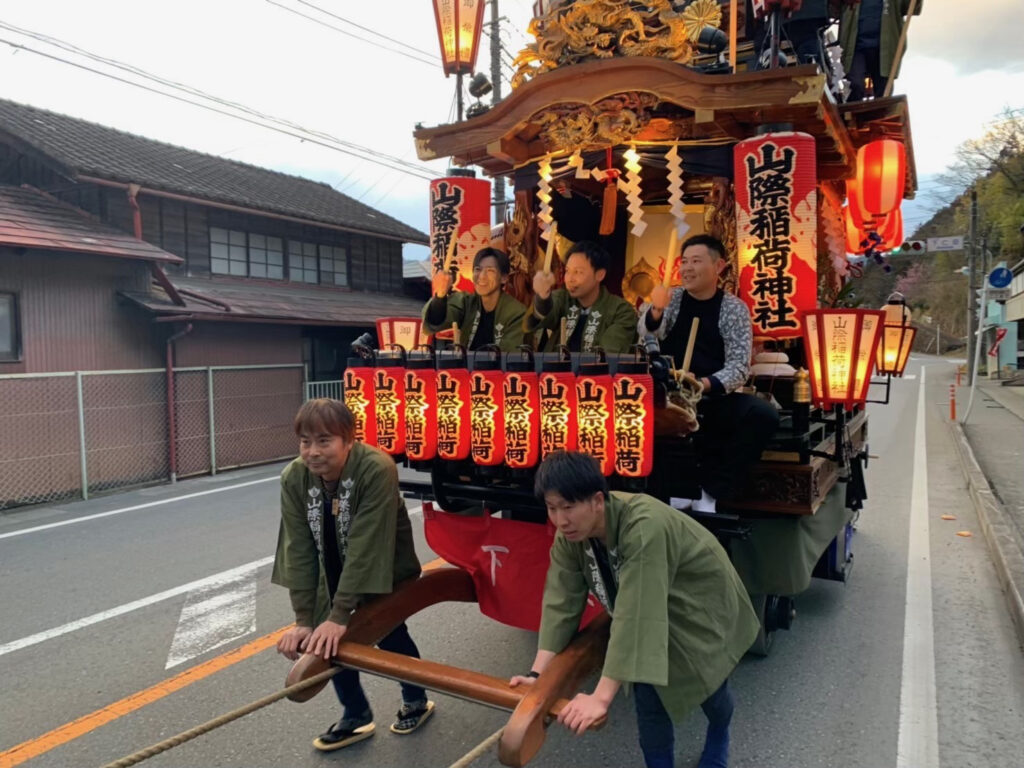
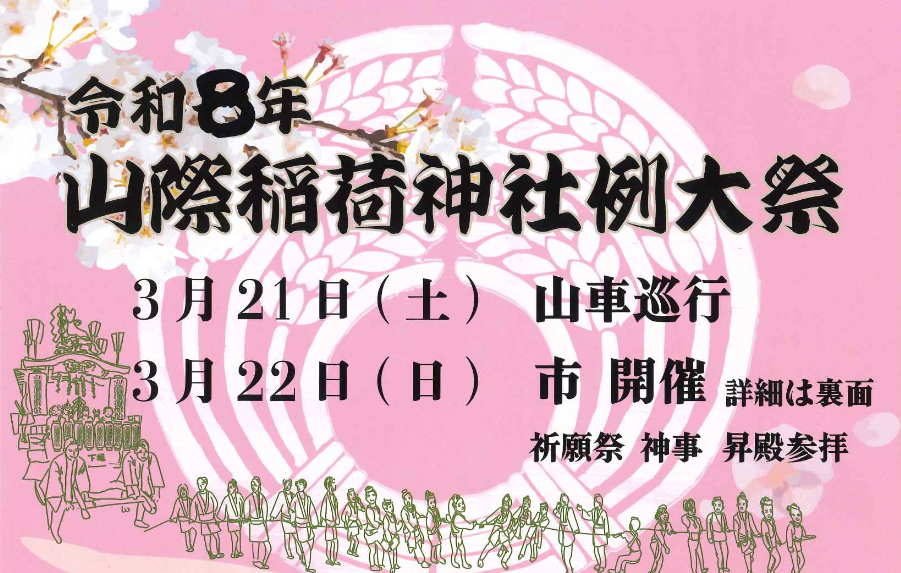
Saturday and Sunday, March 21–22, Reiwa 8 (2026)
Yamagiwa Inari Shrine was reestablished as an Inari shrine in the mid-Tokugawa period after a branch of the deity Ukemochi-no-Kami was enshrined there through a kanjō (formal transfer of a deity) from Fushimi Inari Shrine in Kyoto.
It also states that there had been no shrine so revered by the farming populace for about 300 years, and that on festival days, people gathered in great numbers from nearby villages and surrounding areas.
According to the town history of Shimonita, this shrine was also connected to the rise and fall of the town. Sericultural tools, farming implements, seeds, and saplings were transported to various parts of Shimonita through the market at Yamagiwa, and its well-attested spiritual efficacy as a deity of industry became a major force underpinning the town’s economy.
It is believed that the present form of the Yamagiwa Grand Festival dates from the late Meiji period to the Taishō era.
The Shimonita Town History further records that, for approximately 200 years up to the present day, the shrine has been maintained through the deep reverence and tremendous support of its parishioners and other dedicated townspeople, and that it is cherished as a festival that heralds the arrival of spring in Shimonita.
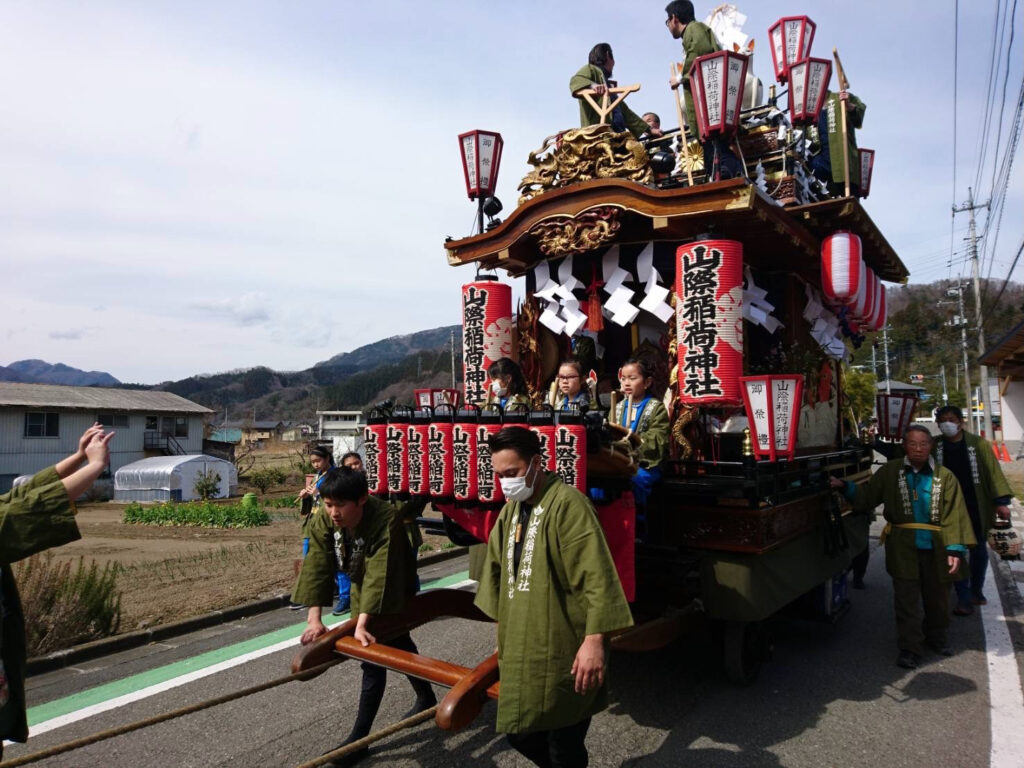
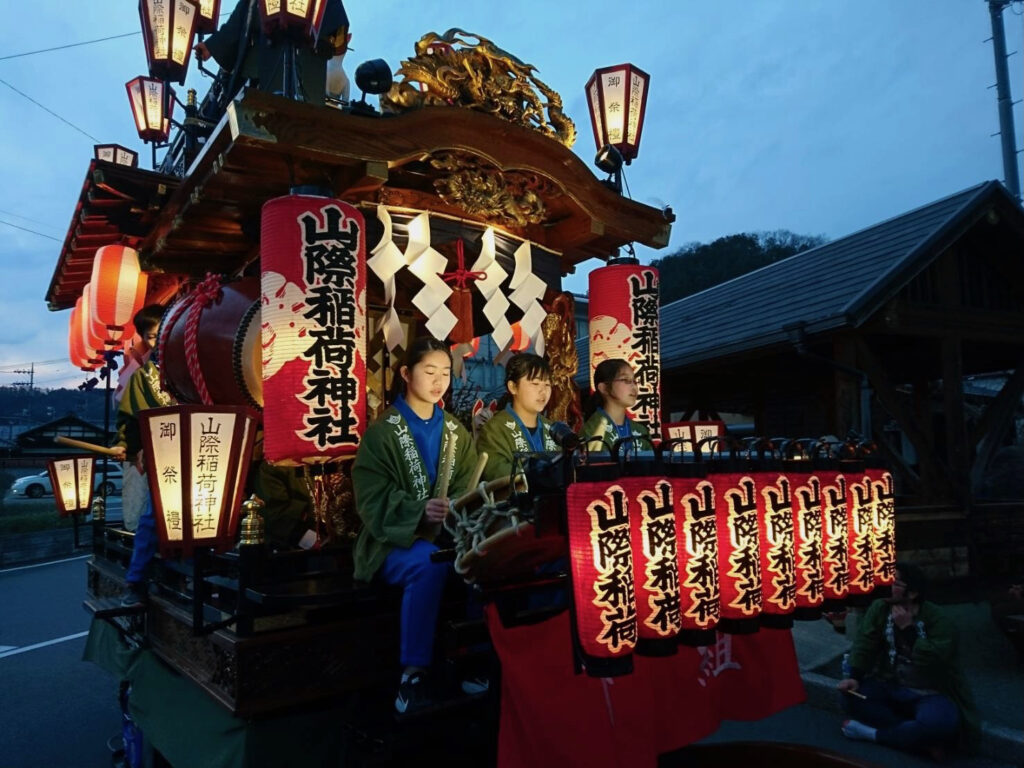
On the first day, the 21st, from 1:00 p.m., a festival float adorned with the Inari deity parades through the town to the sound of festival music. Along the way, purification rites are performed at neighborhood boundaries and key locations, praying for an abundant harvest of the five grains and other blessings, as the procession makes its way through the streets. (The float in its current form dates from the 1940s.)
Originally, the Inari deity was a god who presided over the fertility of the five grains, but as time passed, Inari came to be worshiped also as a guardian deity of prosperous business, industrial development, household safety, traffic safety, and advancement in the performing arts.
On the second day, the 22nd, a ceremonial festival will be held at the main hall of Yamagiwa Shrine, where participants from both within and outside the town will enter the hall to offer prayers, and a prayer ritual will take place.
Prosperity in commerce and industry
Protection from fire, theft, and misfortune
Prevention of traffic accidents
Prayers for success in education
Prayers for abundant agricultural harvests
On the same day, within the precincts of Yamagiwa Shrine, the customary Spring Yamagiwa Market is held, with hopes that the early-blooming cherry blossoms will be in flower.
In recent years, festival music performances—centered mainly on children and young people—have also taken place, with lively festival tunes echoing throughout the shrine grounds and adding to the festive atmosphere of the market.
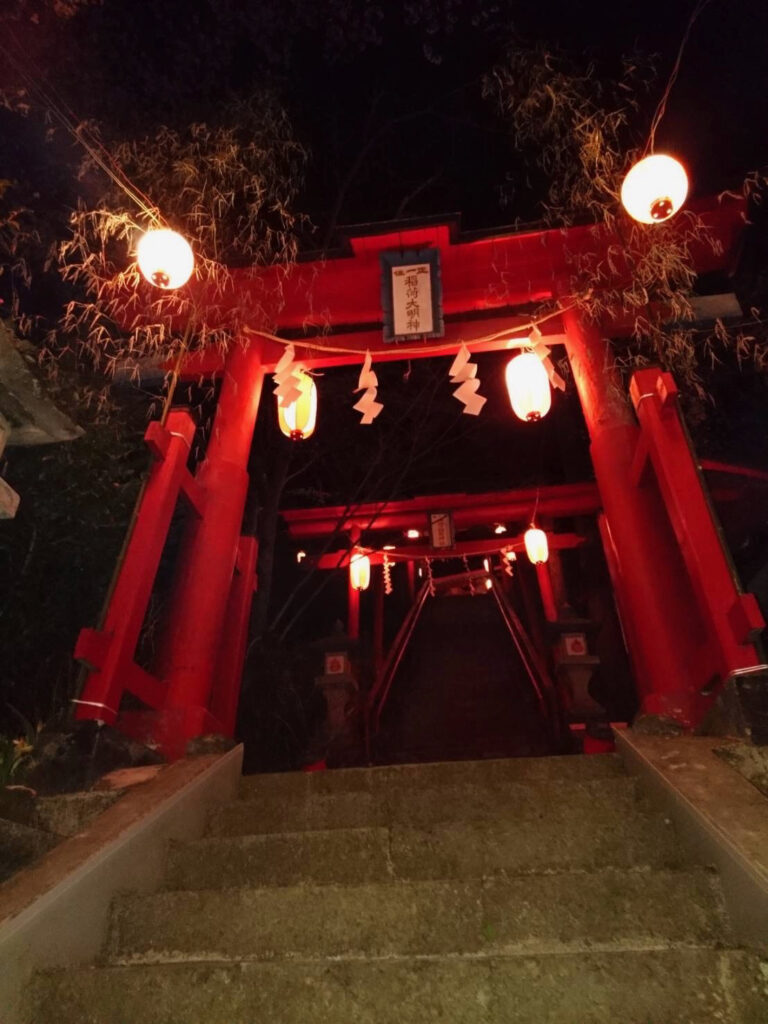
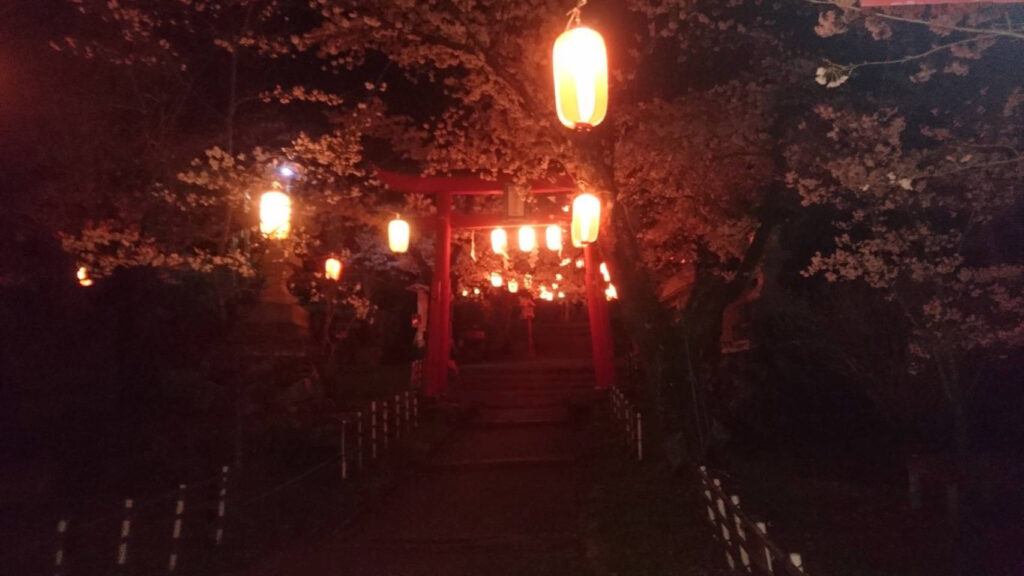
However, compared to the past—when numerous street vendors selling farm tools, seeds, saplings, as well as penny candies and goldfish stalls would line the market, creating a lively scene—the number of vendors has declined sharply in recent years, and the atmosphere has grown somewhat subdued.
With depopulation, the number of visitors has tended to decrease year by year. Nevertheless, the festival of Yamagiwa Inari Shrine, which has been carefully preserved and passed down through the generations over many long years, continues to be carried on by local parishioners with the support and cooperation of dedicated volunteers.
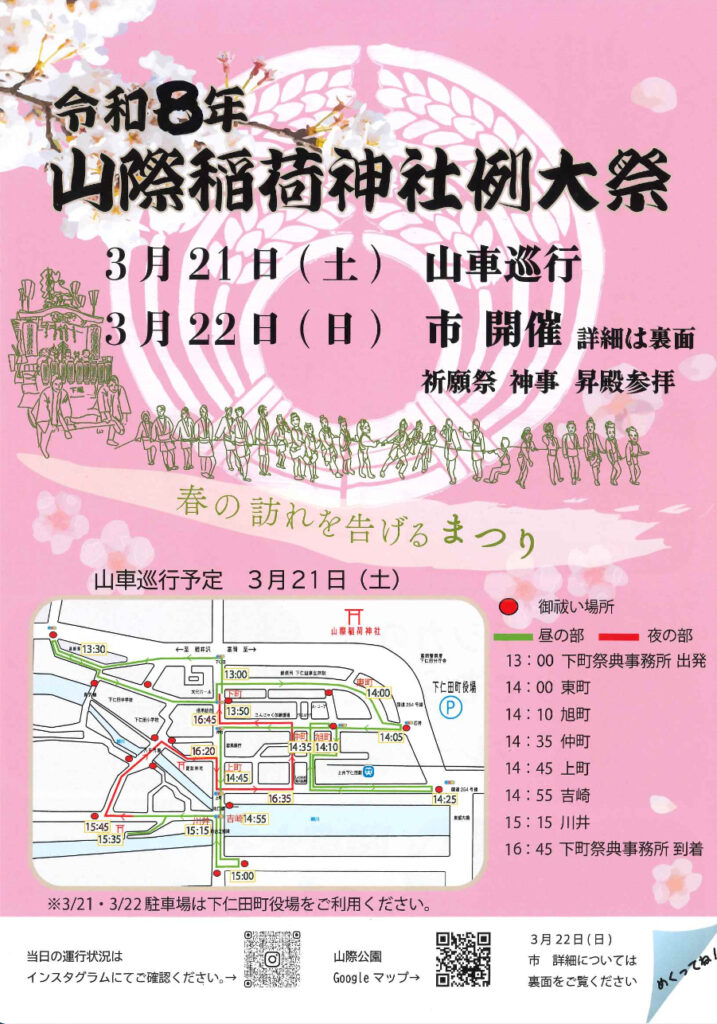
Saturday, March 21, Reiwa 8 (2026)
Festival Float Procession
Purification Ceremony Locations
13:00 – Departure from the Downtown Festival Office
14:00 – Higashi-machi
14:10 – Asahi-machi
14:35 – Naka-machi
14:45 – Kami-machi
14:55 – Yoshizaki
15:15 – Kawai
16:45 – Arrival at the Downtown Festival Office
Please note: The procession schedule is subject to change depending on weather and operating conditions.
Sunday, March 22, Reiwa 8 (2026)
Prayer Festival
Shinto rituals
Worship in the main sanctuary by invited participants
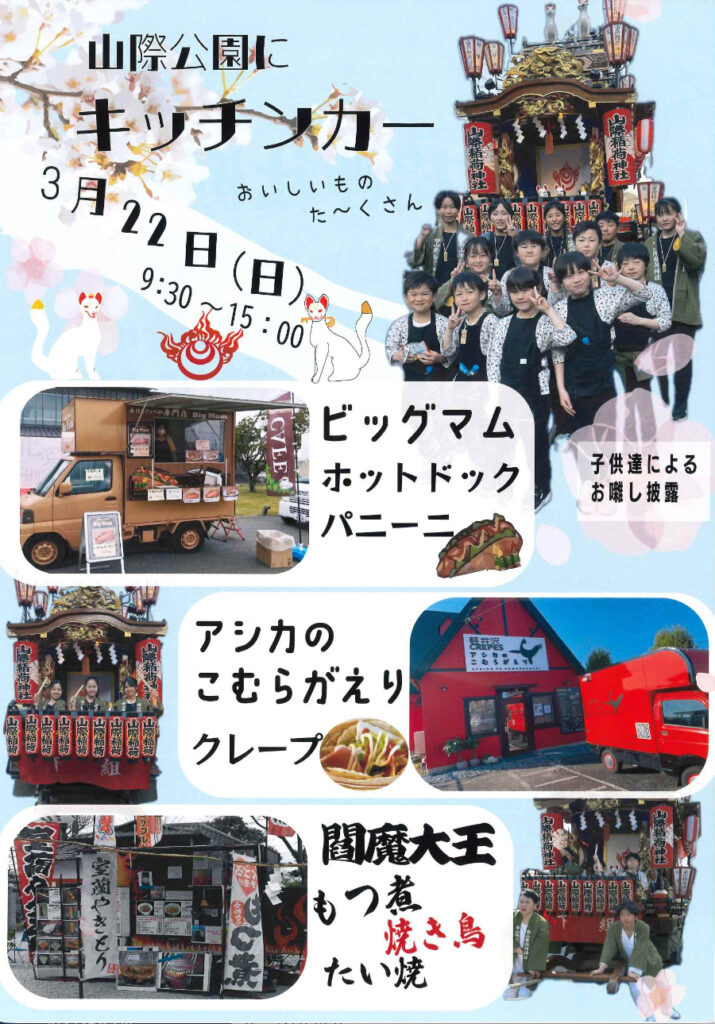
Market Event: “Kitchen Cars at Yamagiwa Park”
9:30 a.m. – 3:00 p.m.
Participating Kitchen Cars
Big Mam (Hot dogs, panini)
Ashika no Komuragaeri (Crepes)
Enma Daiō (Stewed offal, grilled chicken skewers, taiyaki)